


A New Roof,Built Back Up From the Rafters.
When a roof has been patched for the last time, we strip it, check the timbers and rebuild with new underlay, battens, fixings and the covering you choose.
New Roofs in South West London, Surrey and West Sussex.
There is a point where repairing stops being the sensible answer. Not when a few tiles have moved, that is a repair. When the underlay has torn through, the battens are soft and the nails have rusted out, so every wind takes something else off.
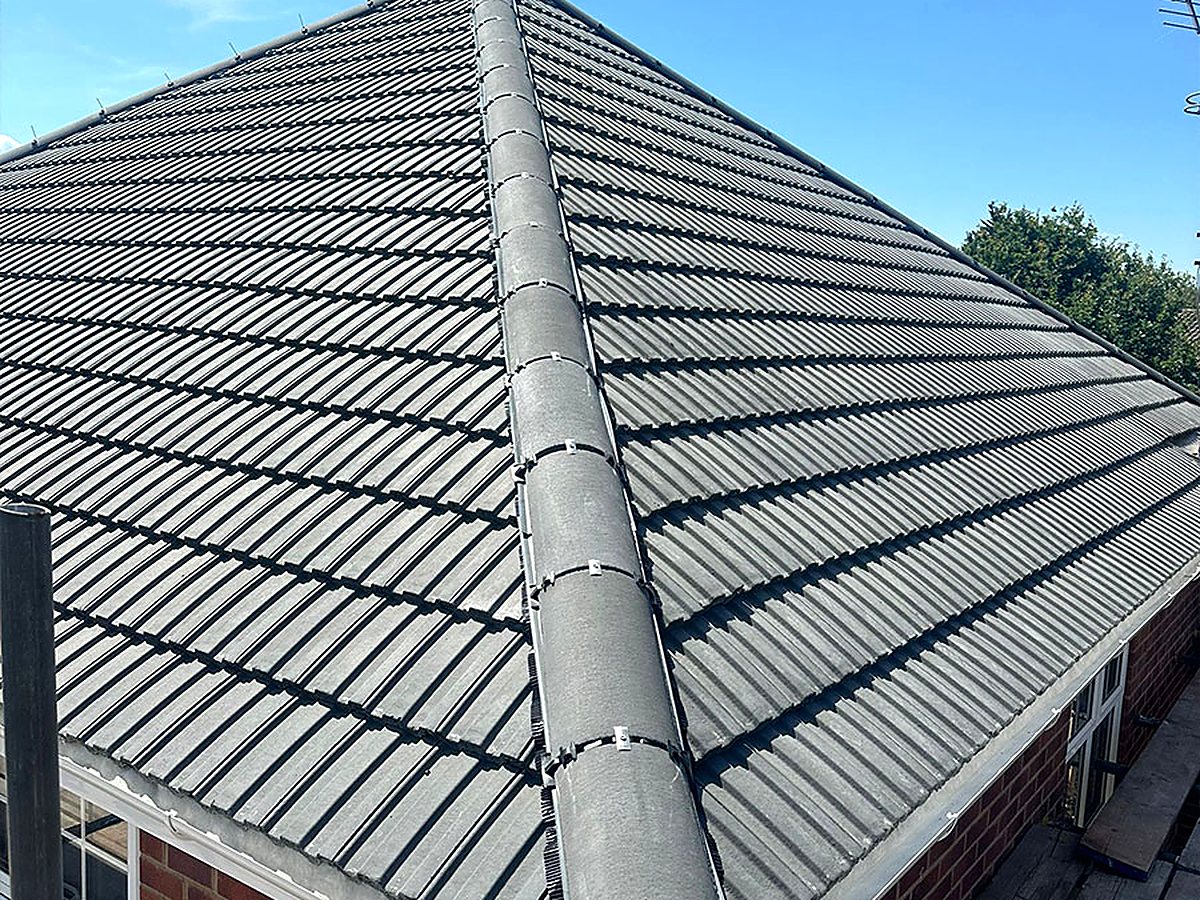
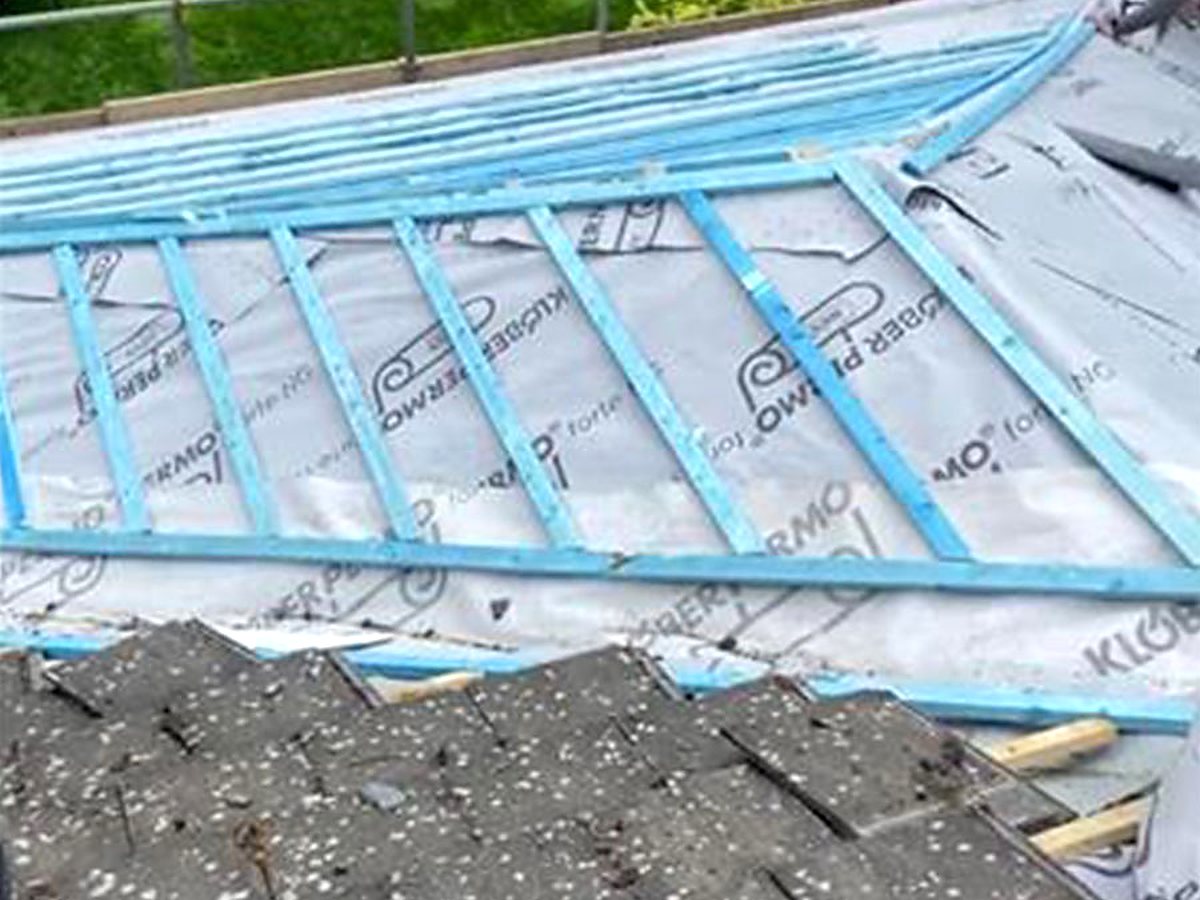
A new roof is not a new set of tiles. We strip the covering, take the old battens and underlay off, and look at the rafters underneath. Anything soft gets dealt with. Then the roof goes back on: new breathable underlay, new battens at proper centres, and the covering fixed to suit the pitch and exposure.
Where the work covers more than half the roof it has to be notified under the Building Regulations, and we explain what that means before we start rather than after. We also talk through the covering properly, because concrete tile, clay and natural slate are three quite different roofs at three quite different prices.
A new roof is not a new set of tiles. It is everything under them as well.
A Roof Is Five Layers, Not One.
The tiles are the part you see. The four layers underneath are what a new roof is really about.
Rafters
The timber frame. We check every one before anything goes back on.
Underlay
A breathable membrane over the rafters: the layer that keeps wind-blown rain out.
Battens
Treated timber strips, set out to the tile gauge, that every tile hangs from.
Tiles
Concrete, clay or slate, each one nailed or clipped to the batten, never just laid.
Ridge and Verges
Dry-fixed at the top and the edges, so nothing depends on a bead of mortar.
What the Work Involves.
Full Strip and Rebuild
Covering, battens and underlay off, timbers checked, and the whole roof built back up.
Timber Repairs
Rafter ends and any soft timber dealt with while the roof is open, which is the only sensible time to do it.
Breathable Underlay
The modern layer under the battens, which manages moisture rather than trapping it.
Your Choice of Covering
Concrete interlocking, plain tile, clay or slate, talked through properly before you decide.
Dry Ridge, Hip and Verge
Mechanically fixed rather than bedded, so nothing cracks and drops into the garden.
New Flashing and Leadwork
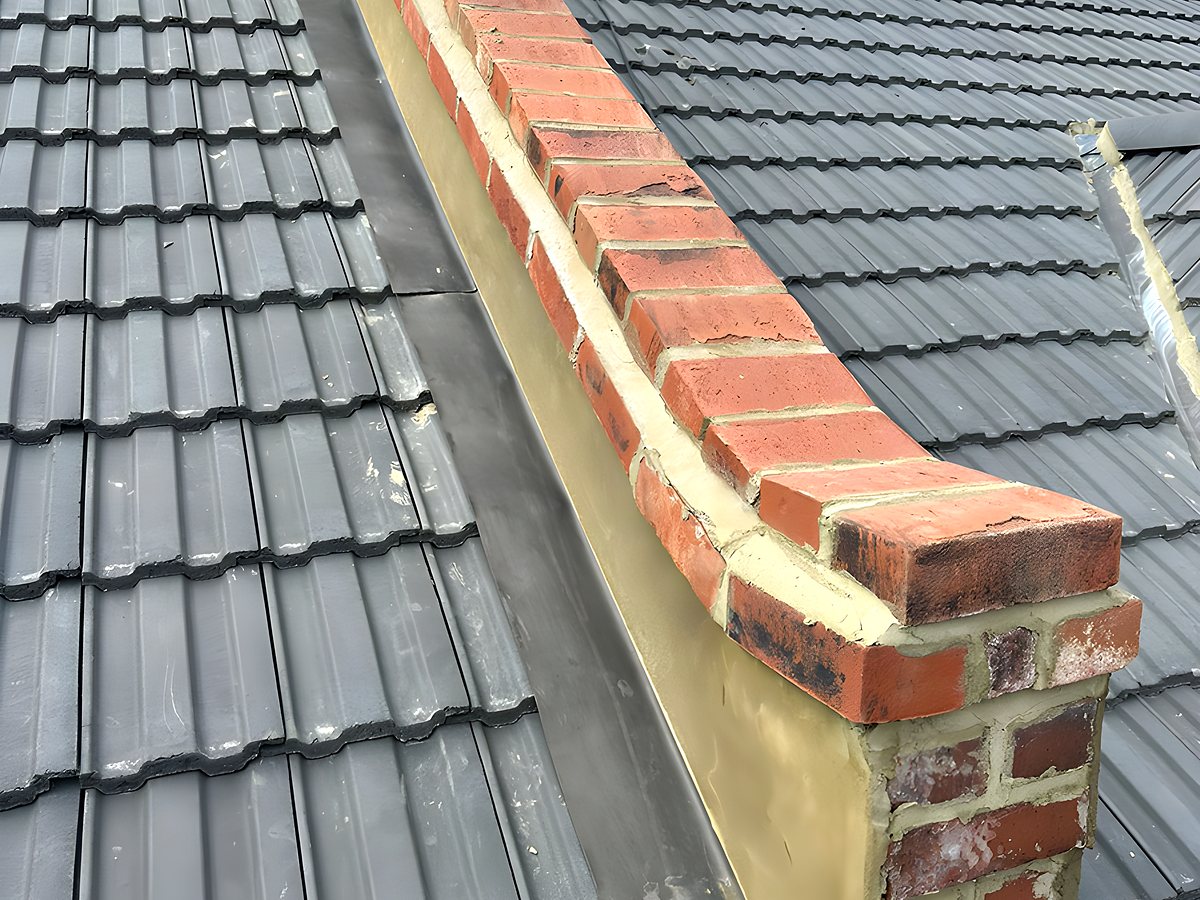
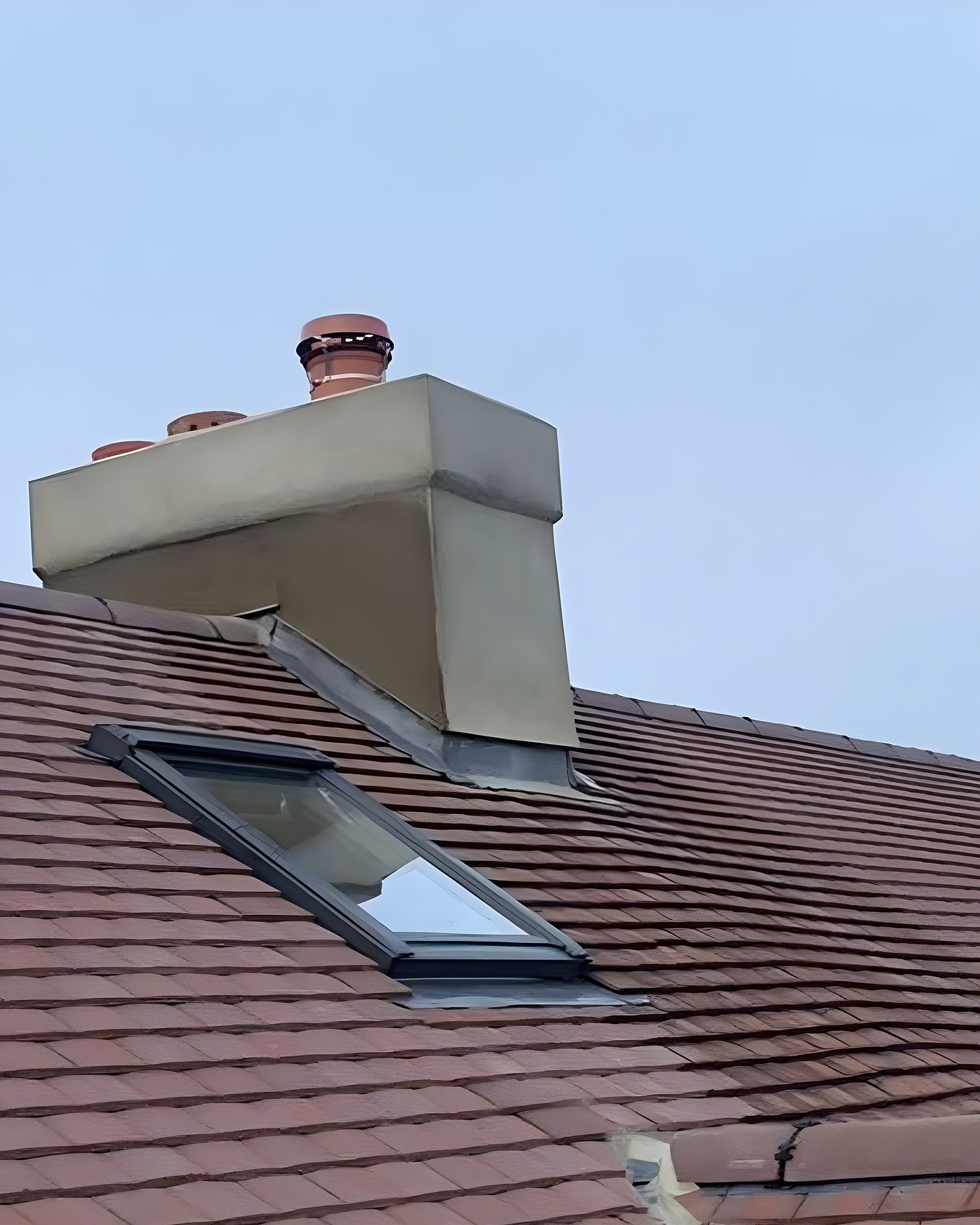
Chimneys, abutments and valleys redone at the same time. There is no sense putting new tiles round old lead.
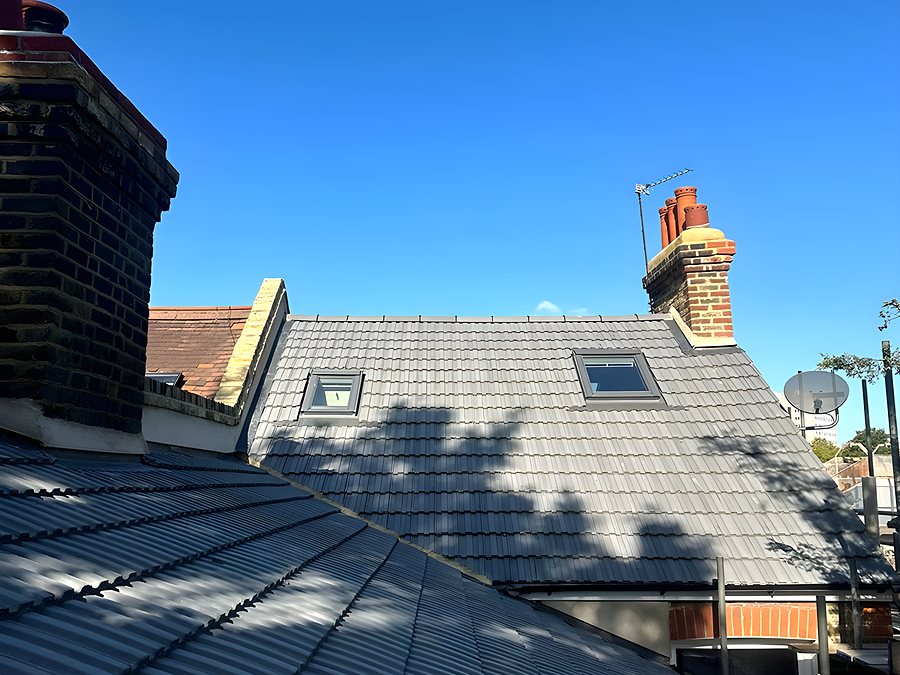
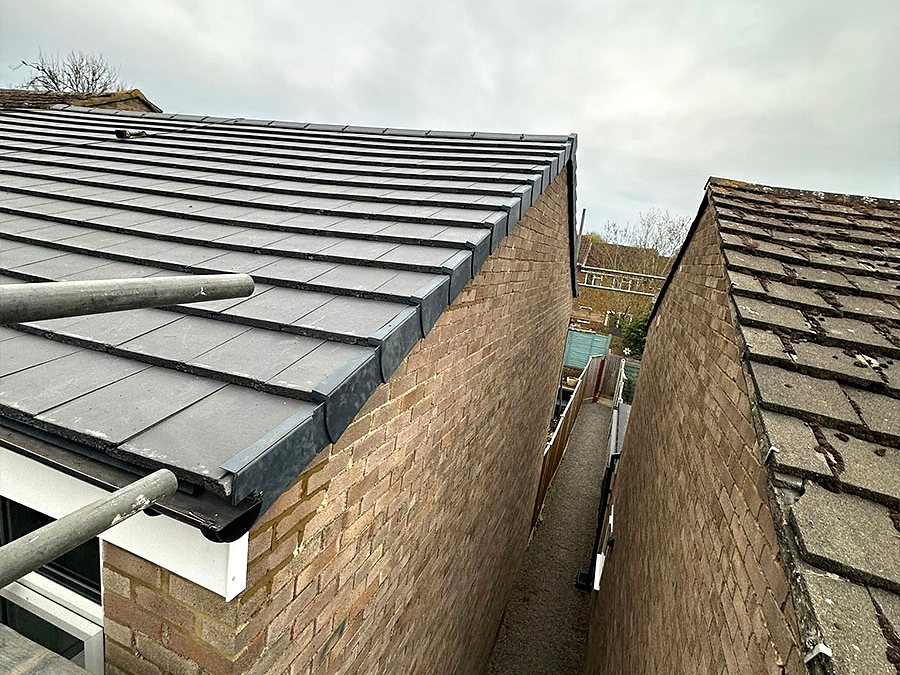
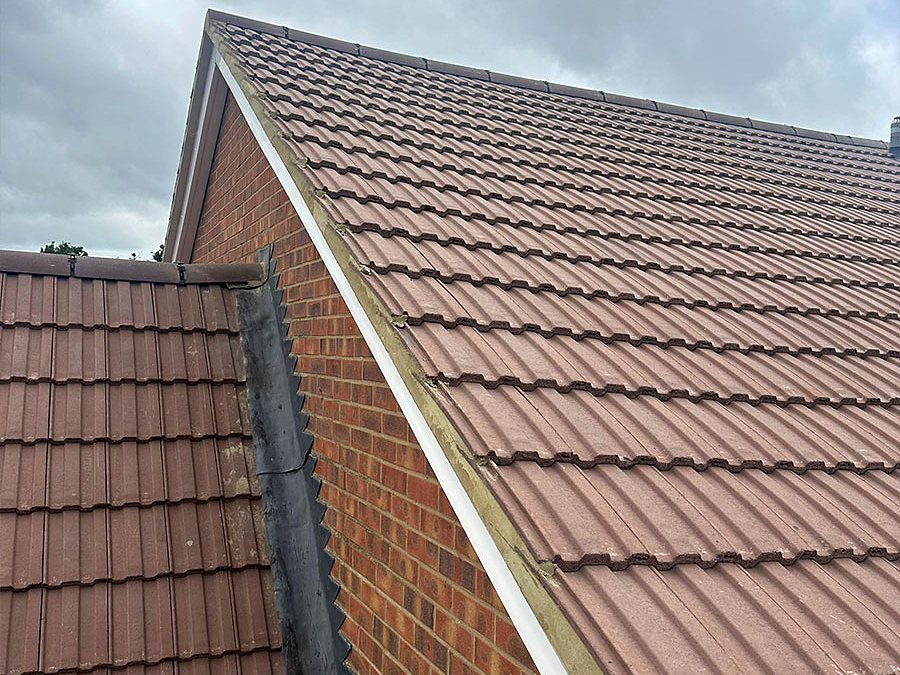
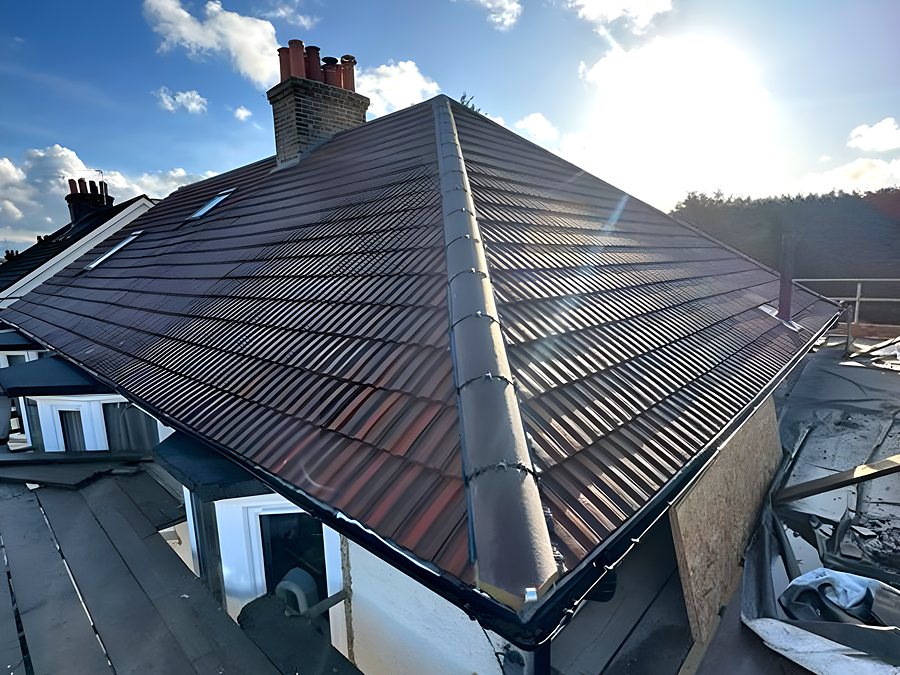
New Roofs We Have Done.
How to Tell You Need It Looked At.
Repairs Every Year
Repeated repairs on the same roof usually means the fixings and underlay have gone, not the tiles.
Torn Felt Visible in the Loft
The underlay has failed. The covering is now the only layer.
Widespread Cracked or Delaminating Tiles
When it is the whole roof rather than a few tiles, patching is no longer the cheaper answer.
Sagging Along the Roof Line
Worth looking at properly. It may be battens, it may be structural, and the two need different answers.
Why Two New Roofs Jobs Cost Different Things.
We give a written price for the work we have looked at. These are the things that move it.
The Size and Shape of the Roof
Hips, valleys, dormers and chimneys all add detail work beyond the plain slopes.
The Covering
Concrete tile, clay and natural slate are three quite different numbers.
Scaffold
A full re-roof needs a proper scaffold all round, and that is a real part of the cost.
What We Find Under the Covering
Timber condition is not knowable until the roof is open. We tell you what we find before doing anything about it.
The Questions We Get Asked About New Roofs.
It depends on the size and shape of the roof, the covering you choose, and how we get access to it. Concrete tile, clay and natural slate are three quite different numbers, and scaffold is a real part of it. We give you a written price for your roof rather than a figure off a website.
Once more than half the roof covering is being renewed, Part L of the Building Regulations applies and the work has to be notified, either by a contractor registered with an authorised competent person scheme or to your local authority building control before work starts. Approved Document A also treats an increase of more than 15% in the weight of the covering as significant, which triggers a structural check. Going the other way, to a lighter covering, the structure and its fixings should be checked against wind uplift instead.
For a like-for-like replacement that does not change the shape or height, usually not, because it counts as maintenance. Conservation areas, listed buildings and Article 4 areas are different, and so is anything that changes the roofline.
Usually yes. It is noisy and there is scaffold up, but the roof is made watertight at the end of each working day rather than left open. We will talk through what to expect before we start.
We work in sections and sheet up, so the roof is never open more than it needs to be. Bad weather can move dates, and we would rather tell you that than work in conditions that compromise the job.
It depends on the size and complexity of the roof and the weather. We give you agreed dates before we start and keep you posted if anything changes.
Four Steps From Your Call, to the Job Done.
You Call or Send the Form
Tell us your town and what you have noticed. A photo from the ground helps more than you would think.
We Come and Look
At the actual thing, where it is safe to get to it. You hear what has failed and what it takes to put right, in plain words.
You Get a Written Price
For the work we have described, with time to think about it. If there is a word on it you do not recognise, ask and we will explain it.
We Do the Work and Clear Up
Agreed dates before we start, and everything off the drive when we finish.
New Roofs Across Fourteen Towns.
South West London, Surrey and West Sussex. There is a local number for each area, plus a mobile. If you are just outside, ask anyway.
Other Things We Get Called Out For.
Tell Us About the New Roofs, and We'll Come and Look.
Your name, a number, roughly where you are and what you have noticed. That is all we need.