


Roofers in Raynes Park,Either Side of the Railway.
The main line to Southampton cuts Raynes Park in two, and the roofs are different on each side: Victorian terraces and Cottenham Park villas to the north, and to the south the 1930s streets that gave the area most of its houses.
Roofing and Guttering in Raynes Park, on the London Line.
Raynes Park grew in two stages. Cottenham Park, north of the station, was laid out for detached houses in the 1870s, and the Apostles, twelve terraced roads on a former cricket ground, followed in the Victorian years. Then the 1930s brought the bulk of the housing, much of it built by George Blay, whose semis are still known locally as Blay houses.
So the roofs divide neatly. North of the line there is slate, yellow stock brick and the party-wall parapets of the late Victorian terraces around Lambton Road, Durham Road and Dunmore Road, all three of them conservation areas in their own right. South of it there is clay and concrete tile on inter-war semis whose felt, battens and fixings are now around ninety years old.
We cover SW20 and the Motspur Park side of KT3 on the London line, 0208 087 4324, with the mobile answered around the clock.
The Roofs of Raynes Park, North and South of the Line.
The Apostles and the Lambton Road Terraces
Late Victorian and Edwardian terraces in yellow stock brick with canted bays, slate roofs and party-wall parapets. The parapet hides the gutter, and a blocked one shows as a stain on the bedroom ceiling.
Cottenham Park and Copse Hill
The larger houses laid out from the 1870s, with big roofs, several stacks and a lot of lead. Copse Hill is a conservation area, as are Durham Road and Dunmore Road nearby.
The 1930s Semis
The Blay houses and their neighbours south of the station, Grand Drive and West Barnes: clay or concrete tile over underlay and battens of the same age as the house, hipped roofs and long gutter runs at the eaves.
Motspur Park and Shannon Corner
Inter-war and later housing on the New Malden side, where the postcode turns to KT3. Fascias, soffits and guttering make up most of the work.
What We Get Called to in Raynes Park.
Gutter Repairs
Overflowing joints and sagging runs on the long eaves of the 1930s semis, and the parapet gutters on the terraces to the north.
Gutter Repairs explained02Fascias and Soffits
Rotten timber behind the gutters replaced with white uPVC fascia and vented soffit before a new run is hung.
Fascias & Soffits explained03Roof Cleaning
Moss lifted off north-facing concrete tile and out of the gutters it fills, without blasting the surface off the tiles.
Roof Cleaning explained04Roof Repairs
Slipped tiles, cracked hip and ridge mortar and worn flashings, on both the tiled semis and the slate terraces.
Roof Repairs explainedConservation Areas and Ninety-Year-Old Roofs.
Merton has designated several conservation areas on the Raynes Park side of the borough, including Lambton Road, Durham Road, Dunmore Road and Copse Hill. They are drawn street by street, so two houses a few doors apart can sit on different sides of a line. Inside one, a like-for-like repair is straightforward and a change of covering is a question for the council first. We check the map before we price rather than guessing.
The bigger practical point south of the railway is age. A 1930s roof can look fine from the pavement while the underlay beneath the tiles has perished and the battens and nail fixings are the originals. When we look at a tile roof of that age we tell you what is under it, not just what is on it, so a repair is a real repair and a re-roof is only suggested when the roof needs one.
Access is usually simple here: semis with side returns and gardens, and terraces with rear access. Where a scaffold is needed on the pavement we arrange the licence.
The fault we are called to most in Raynes Park, lit on the house.
Where We Work in and Around Raynes Park.
SW20 and the Motspur Park side of KT3, from the London line.
Raynes Park Station and the Apostles
SW20The Victorian terraced roads on the former cricket ground, beside the station.
Cottenham Park
SW20The first part of the area to be developed, from the 1870s, with the Lambton Road and Durham Road conservation areas.
Copse Hill
SW20Large detached houses on the rise towards Wimbledon Common, a conservation area.
Grand Drive and West Barnes
SW20The 1930s streets south of the railway.
Motspur Park
KT3The New Malden side, on the branch line towards Epsom.
Shannon Corner
KT3, SW20By the A3, where Raynes Park meets New Malden.
Wimbledon Chase
SW20The eastern side, towards Wimbledon, with its own conservation area.
Cannon Hill
SW20The streets around Cannon Hill Common and its old woodland.
Why Two Jobs in Raynes Park Cost Different Things.
We give a written price for the work we have looked at. In Raynes Park these are the things that move it.
What Is Under the Tiles
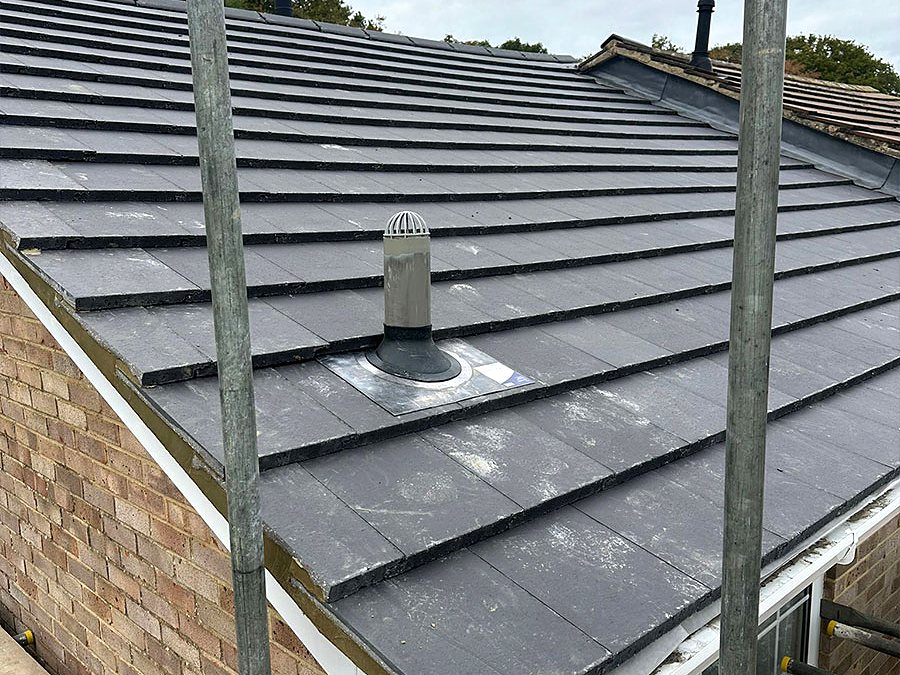
On a 1930s Blay house the tiles may be fine while the underlay and fixings are done. A repair and a re-roof are very different prices, and only lifting a few tiles tells us which you need.
The Parapet Gutters on the Terraces
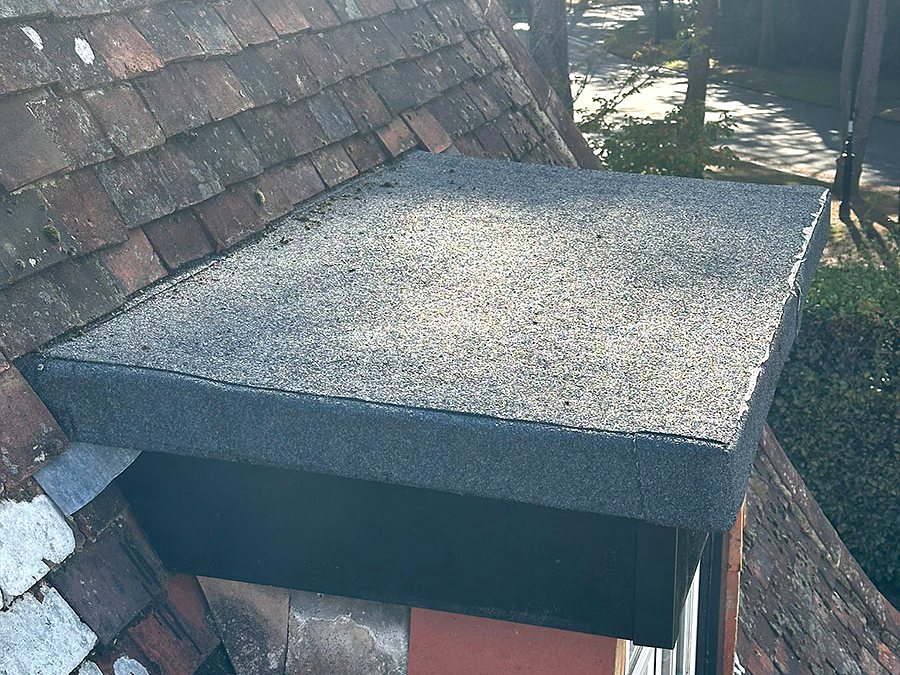
On the Apostles and the Lambton Road streets the gutter sits behind a parapet. Clearing it is quick; relining it in lead is a bigger job, and we tell you which it is.
The Fascia Behind the Gutter
If the timber has gone, a new gutter run needs a new fascia first. Doing both at once costs less than coming back for the second.
The Questions We Get Asked in Raynes Park.
Both. The Victorian streets and Cottenham Park to the north and the 1930s streets, Grand Drive, West Barnes and Motspur Park to the south. Ring the London line on 0208 087 4324.
It may be. Lambton Road, Durham Road and Dunmore Road are all Merton conservation areas, drawn street by street. We check the council's map before pricing anything beyond a like-for-like repair, and a repair in the same material is not normally a planning matter.
Not necessarily. Plenty of inter-war roofs are sound. What wears out first is the underlay and the fixings, not the tiles, and we can only tell you by lifting a few and looking. We do that before we suggest anything.
Usually a joint or a bracket has dropped and the run no longer falls to the outlet, so water pools at the low end. On the terraces to the north it can also be the parapet gutter behind the front wall. Both are quick to find from the roof.
Yes. Concrete tile on a north-facing slope grows moss quickly, and it ends up in the gutters. We lift it off by hand and clear the gutters afterwards rather than pressure-washing the surface off the tiles.
No. We come out, look at the roof and give you a written price, with no charge and no obligation.
The Other Towns on the London Line.
Both sides of the railway, from the Apostles to Motspur Park, are covered from the London line. Ring 0208 087 4324 for a free written quote.
Tell Us About the Roof in Raynes Park, and We'll Come and Look.
Your name, a number, the street and what you have noticed. That is all we need.