


Pitched Roofs,and Everything Under the Tiles.
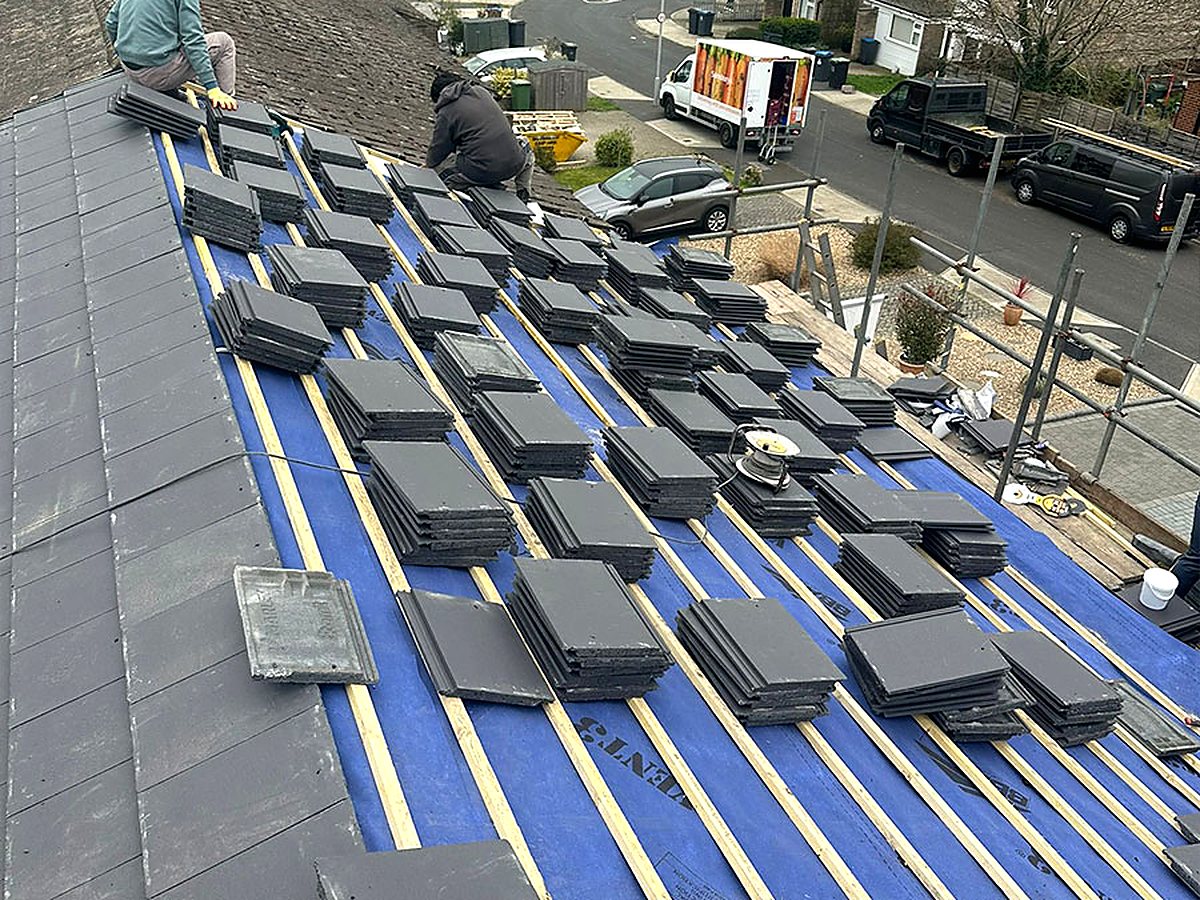
A pitched roof is only ever as good as what sits under the covering. Tiled and slated roofs, with new underlay, battens and fixings where the covering has to come off.
Pitched Roofing in South West London, Surrey and West Sussex.
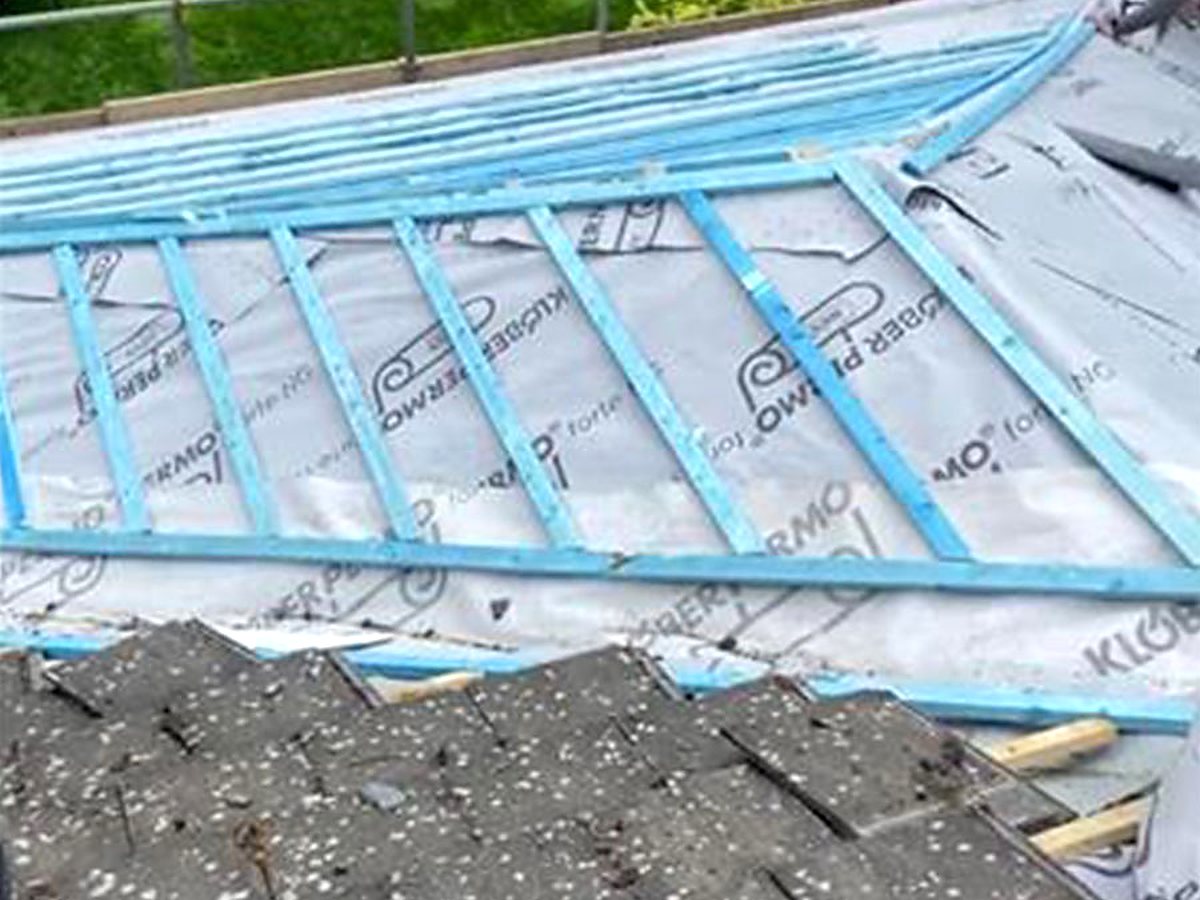
The tiles are the part you can see, but they are not the part that keeps the water out on their own. Underneath them are battens, underlay and fixings, and those are what fail first. A roof can look sound from the road while the felt beneath it has torn and the nails have rusted through.
That is why re-covering a roof means stripping it rather than laying new tiles over old. We take the covering off, look at the rafters, renew the underlay and battens, and refix properly. It is more work, and it is the difference between a roof that lasts and one that looks fine for five years.
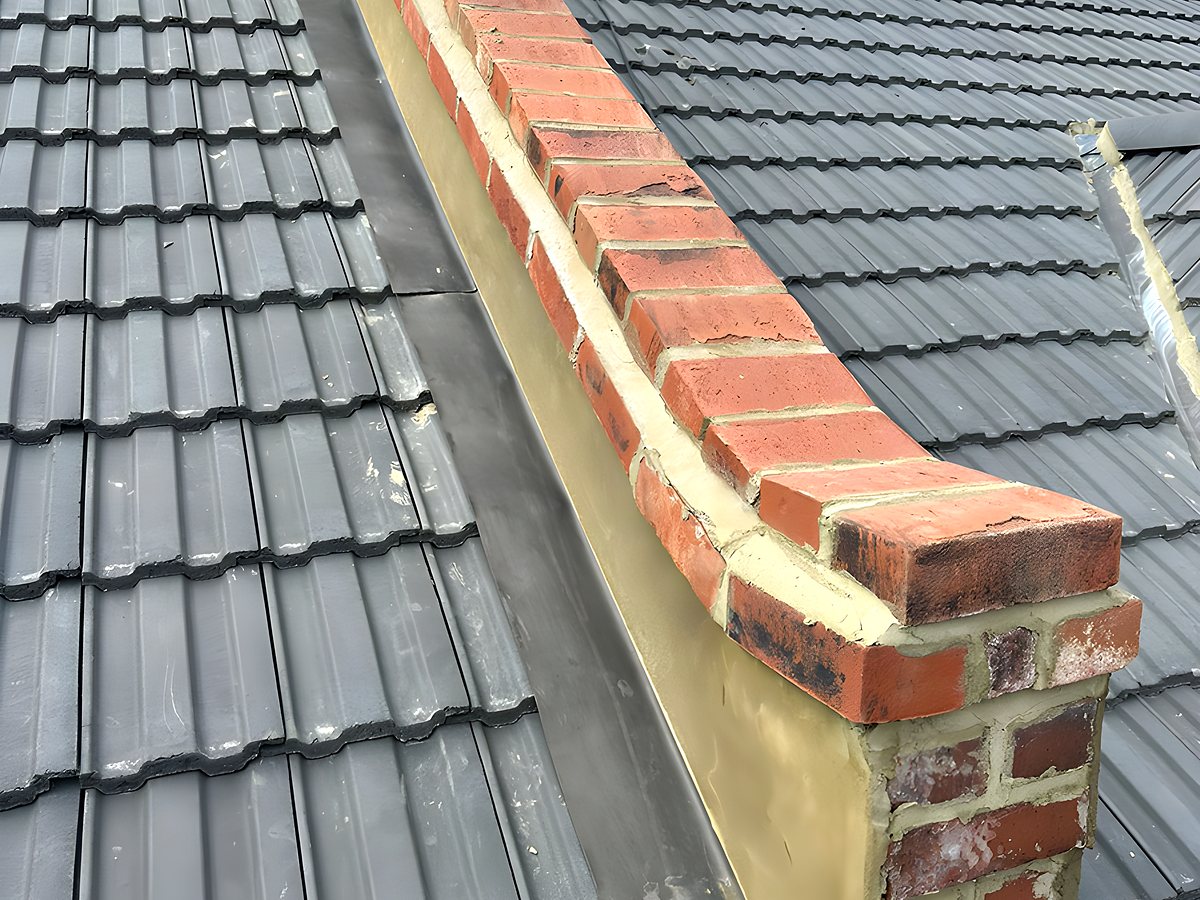
Mortar-bedded ridges and verges are the other thing worth knowing about. Mortar cracks, lets go and eventually drops into the garden, which is why dry-fix ridge and verge systems have largely replaced it on new work. We will talk through which makes sense for your roof.
A roof can look perfectly sound from the road while the felt under it has torn through.
What the Work Involves.
Strip and Re-Cover
Taking the old covering off, checking the timber, and rebuilding with new underlay, battens and fixings.
Concrete and Clay Tiles
Interlocking concrete, plain tile and clay, matched to what the property and the street already have.
Natural and Fibre Cement Slate
Slated roofs, laid and fixed to suit the pitch and the exposure.
Dry Ridge and Verge
Mechanically fixed rather than bedded in mortar, so it does not crack and drop.
Underlay and Battens
The layer that does the real work, renewed whenever the covering comes off.
Ventilation
Keeping air moving through the roof space, so moisture does not condense on the underside of the covering.
Three Questions, and the Likely Answer.
It depends on the age of the roof, what you have noticed and how we reach it. No figures until we have seen it.
A roof somewhere between twenty and fifty years old, a few slipped or missing tiles, and a two-storey house: that is a repair. We find the fault, put it right and leave the rest of the roof alone. We would confirm it from the roof and give you a written price.
Repair, most likely.
We do not quote figures unseen. Every price we give is in writing, for a roof we have looked at.
How We Reach It
A bungalow off a properly secured ladder and a three-storey terrace needing a scaffold are two different jobs before anyone touches the work itself.
The Size and Shape of the Roof
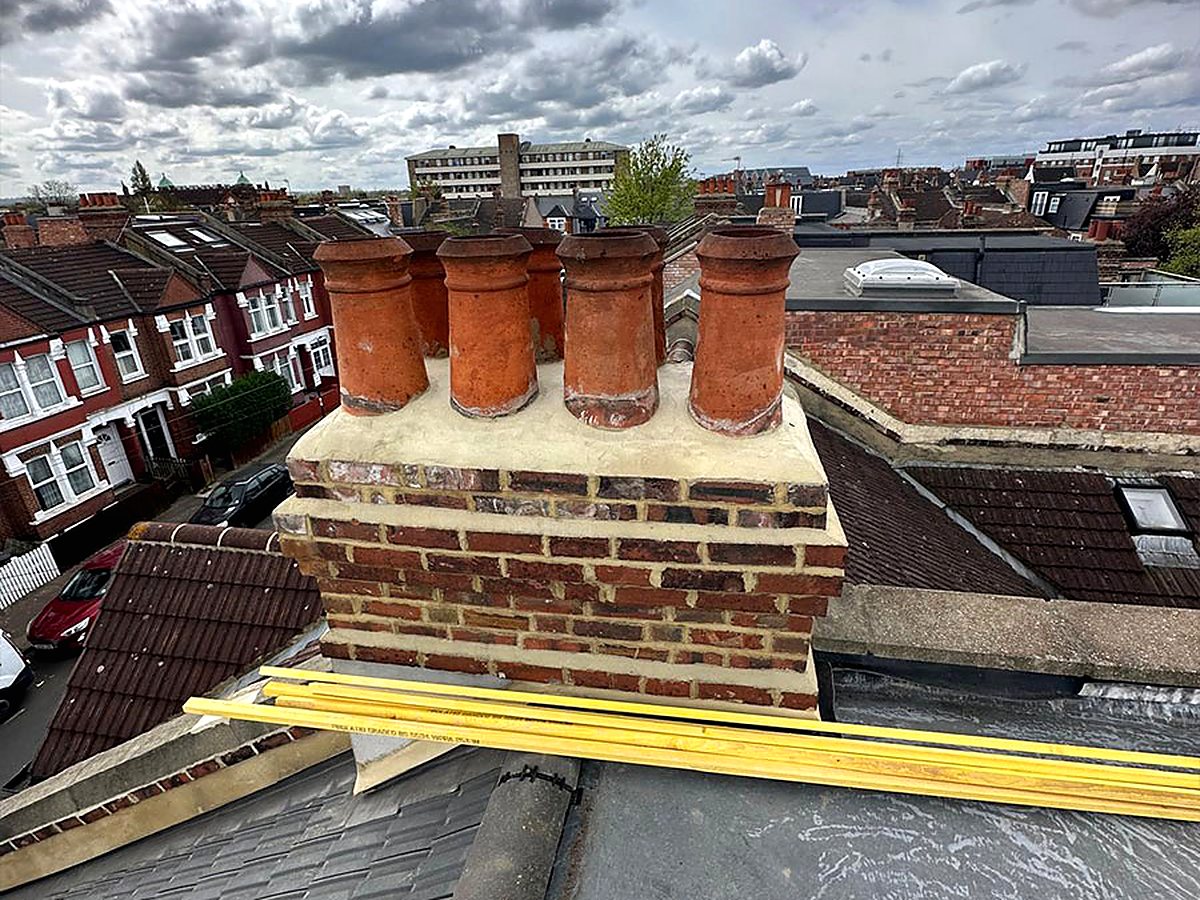
Hips, valleys, dormers and chimneys all add detail work beyond the plain slopes.
The Covering You Choose
Concrete tile, clay and natural slate are three quite different numbers.
What the Timber Is Like
We do not know until the covering is off. We tell you what we find before we do anything about it.
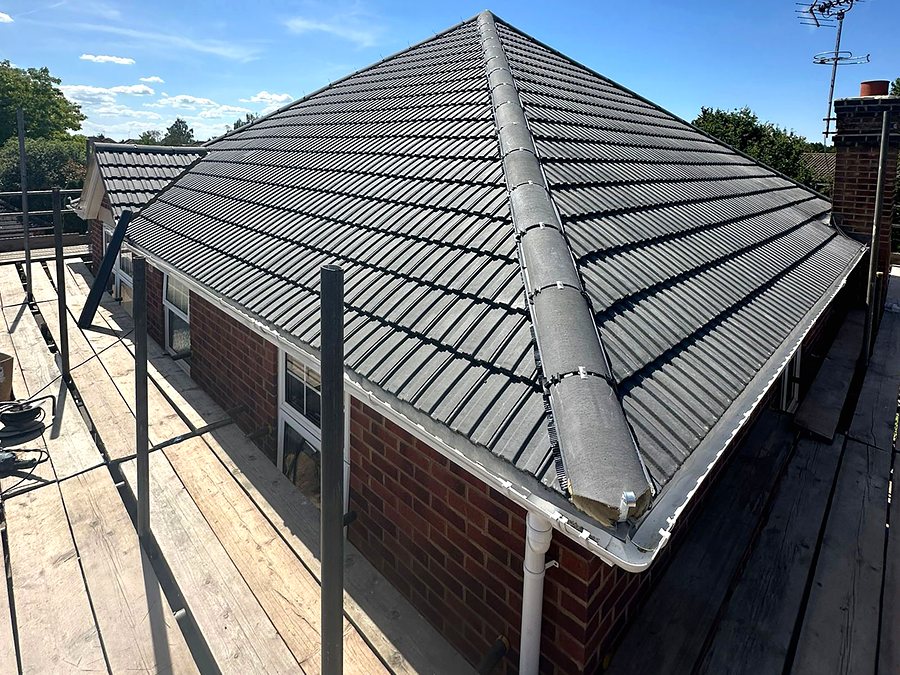
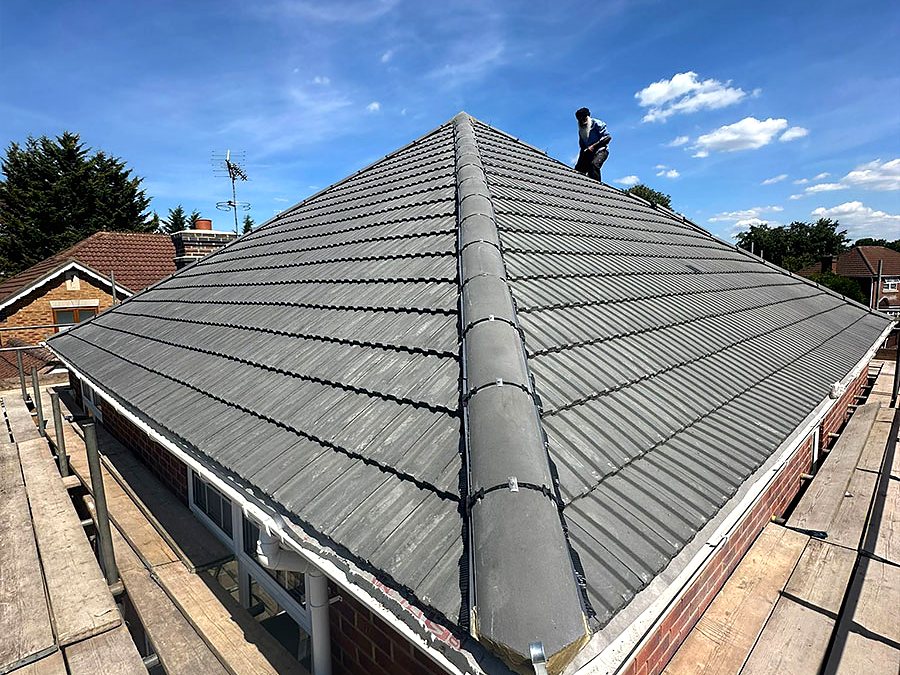
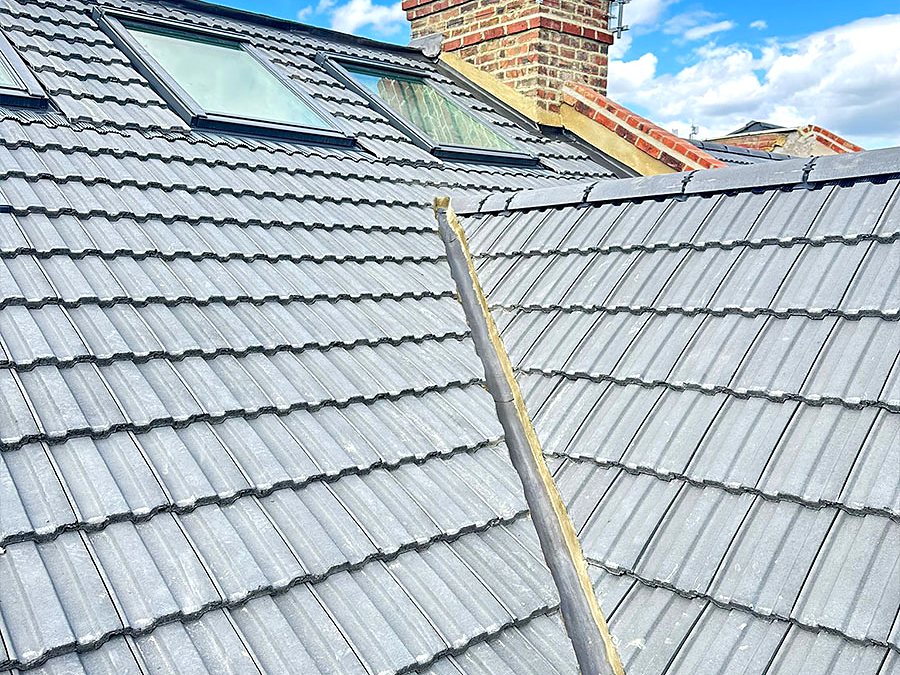
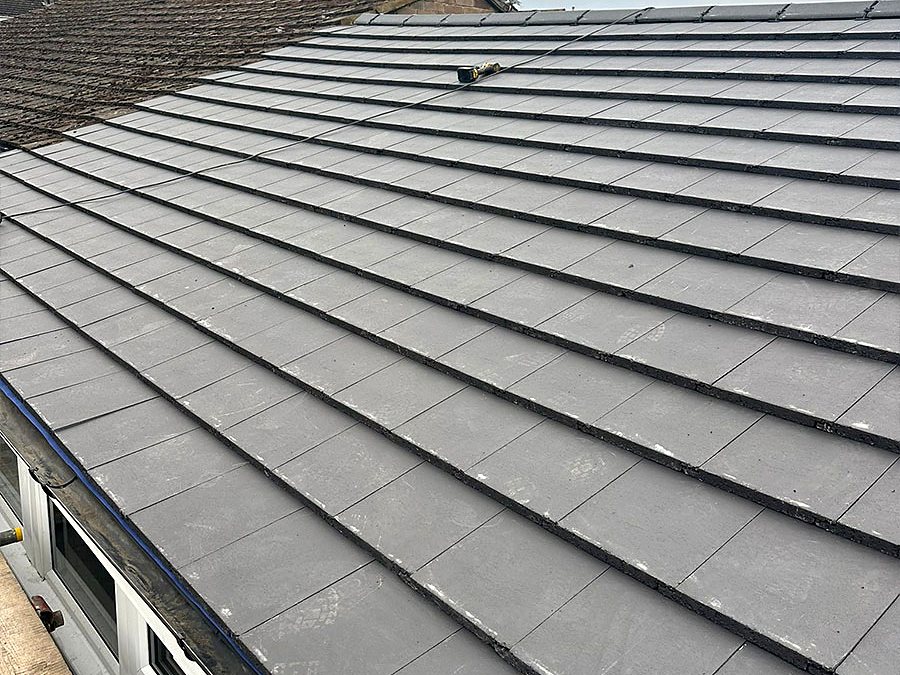
Pitched Roofing We Have Done.
How to Tell You Need It Looked At.
Tiles Moving Regularly
One slipped tile is a repair. Several a year usually means the fixings have gone.
Mortar Dropping From the Ridge or Verge
Bedded mortar reaching the end of its life.
Sagging Between the Rafters
Worth looking at properly. It can be the battens, or it can be the structure.
Daylight or Torn Felt Visible in the Loft
The underlay has failed, which means the tiles are the only thing between you and the weather.
The Questions We Get Asked About Pitched Roofing.
It depends on the covering, the exposure and how well it was fixed in the first place. Rather than quote a number, the useful question is what state the underlay, battens and fixings are in, because those decide when a roof needs re-covering, not the age of the tiles.
No, and you should be wary of anyone offering to. It leaves the failed underlay and battens in place, adds weight the structure was not designed for, and hides whatever is wrong underneath. Stripping it is the only way to do it properly.
It is a mechanically fixed ridge system instead of bedding the ridge tiles in mortar. Mortar cracks and eventually lets go, which is why dry-fix has largely replaced it on new work. On a re-roof it is generally the sensible choice.
It can do. Once more than half the roof covering is being renewed, Part L of the Building Regulations applies and the work has to be notified, either by a contractor registered with an authorised competent person scheme or to your local authority building control before work starts. We will tell you when your job falls into this.
For a like-for-like replacement that does not change the shape or height of the roof, usually not, because it counts as maintenance. Conservation areas, listed buildings and Article 4 areas are different, and so is anything that changes the roofline.
It depends on the size and shape of the roof and the weather. We give you agreed dates before we start and we will tell you straight away if the weather is going to move them.
Four Steps From Your Call, to the Job Done.
You Call or Send the Form
Tell us your town and what you have noticed. A photo from the ground helps more than you would think.
We Come and Look
At the actual thing, where it is safe to get to it. You hear what has failed and what it takes to put right, in plain words.
You Get a Written Price
For the work we have described, with time to think about it. If there is a word on it you do not recognise, ask and we will explain it.
We Do the Work and Clear Up
Agreed dates before we start, and everything off the drive when we finish.
Pitched Roofing Across Fourteen Towns.
South West London, Surrey and West Sussex. There is a local number for each area, plus a mobile. If you are just outside, ask anyway.
Other Things We Get Called Out For.
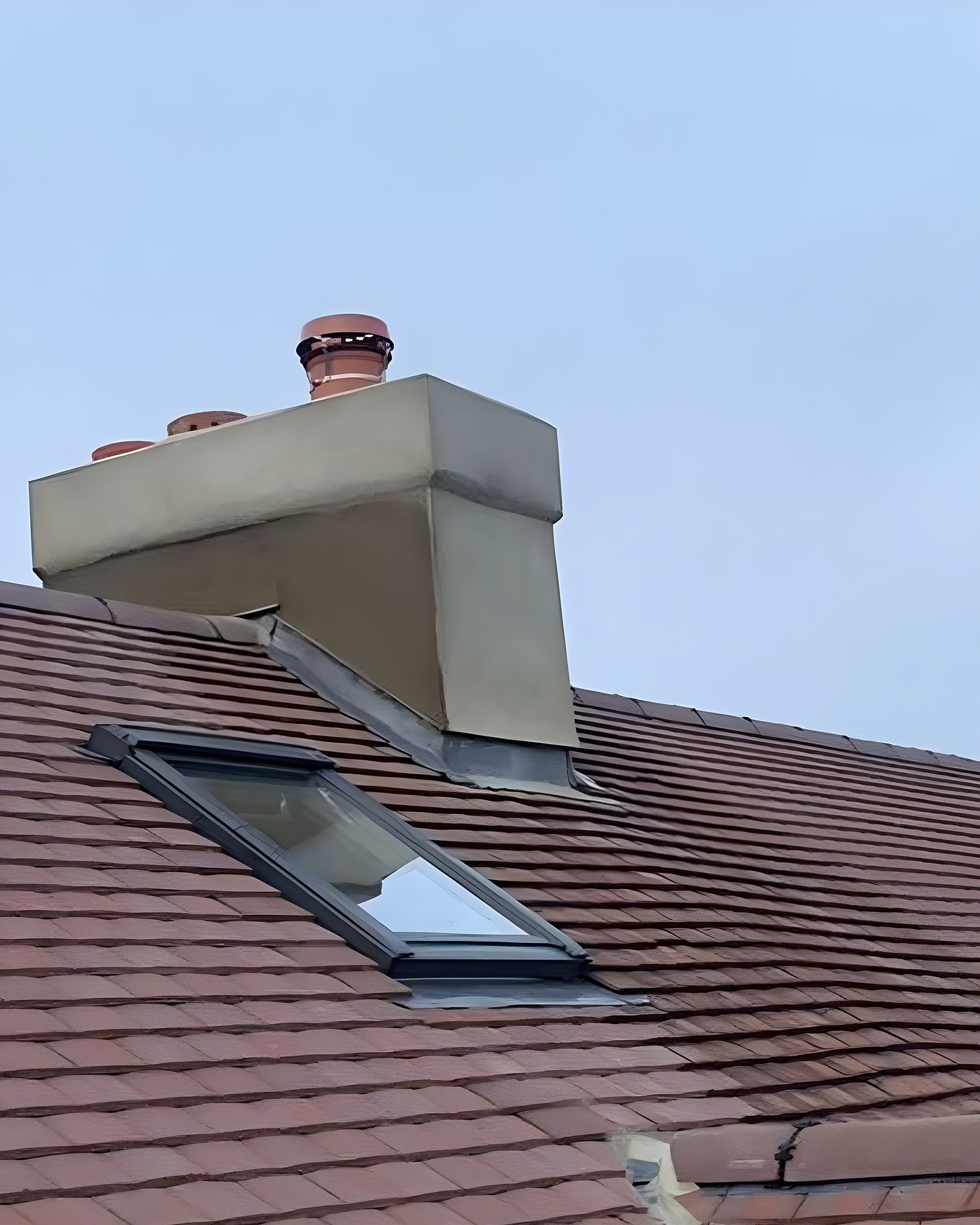
Tell Us About the Pitched Roofing, and We'll Come and Look.
Your name, a number, roughly where you are and what you have noticed. That is all we need.