


Roof Repairs,Found and Fixed Properly.
Slipped tiles, leaks, cracked flashing and storm damage. We find where the water is getting in, and fix that, rather than sell you a roof you do not need.
Roof Repairs in South West London, Surrey and West Sussex.
Most roof repairs start with a stain on a ceiling. The trouble with a stain is that it tells you almost nothing about where the fault is: water runs down the underside of the felt and along a rafter before it drops, so the wet patch and the hole are hardly ever in line.
That is why we get up on the roof rather than quoting from the pavement. It is also why we look at the gutters first on a lot of jobs. A surprising amount of what gets reported as a roof leak turns out to be a gutter overflowing down the wall.
Once we know what has failed, we fix that. A slipped tile, a cracked flashing, a blocked valley. If the roof genuinely has reached the end of its life we will tell you, but a repair is a repair and we would rather do it than start a conversation about a new roof you did not ask for.
If your roof only needs a repair, we will tell you it only needs a repair.
How to Tell You Need It Looked At.
A Stain on a Ceiling
The classic. Worth acting on early, because the longer it runs the more of the roof timber gets wet.
Tiles in the Garden After Wind
If one has come off, others have probably moved without falling.
Daylight Visible in the Loft
Look up on a bright day. Any daylight through the roof covering is a hole.
A Drip That Only Appears in Certain Weather
Driving rain from one direction usually means a junction or a flashing rather than the tiles.
Three Questions, and the Likely Answer.
It depends on the age of the roof, what you have noticed and how we reach it. No figures until we have seen it.
A roof somewhere between twenty and fifty years old, a few slipped or missing tiles, and a two-storey house: that is a repair. We find the fault, put it right and leave the rest of the roof alone. We would confirm it from the roof and give you a written price.
Repair, most likely.
We do not quote figures unseen. Every price we give is in writing, for a roof we have looked at.
How We Reach It
A bungalow off a properly secured ladder and a three-storey terrace needing a scaffold are two different jobs before anyone touches the work itself.
What Has Failed
One tile and a whole valley are different jobs, and we will not know which until we have looked.
Getting to It
A repair in the middle of a large roof slope needs more access than one at the eaves.
Repair or Replace
One failed section is a short job. A run that has reached the end of its life is a replacement. We tell you which it is before you commit to anything.
What the Work Involves.
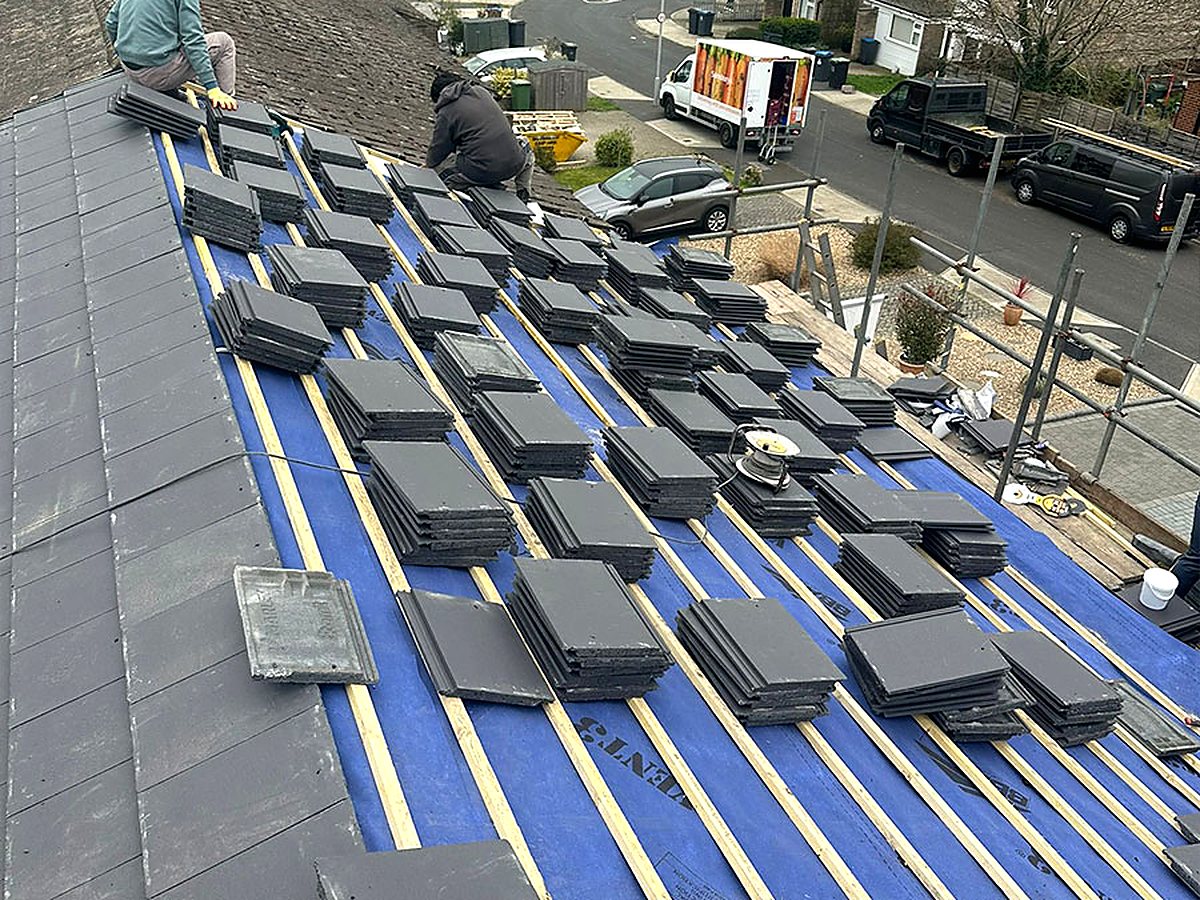
Slipped and Missing Tiles
Refixed or replaced, and we look at why they moved rather than just putting them back.
Leaks Traced
Working back from where the water appears to where it is getting in, which is usually somewhere else entirely.
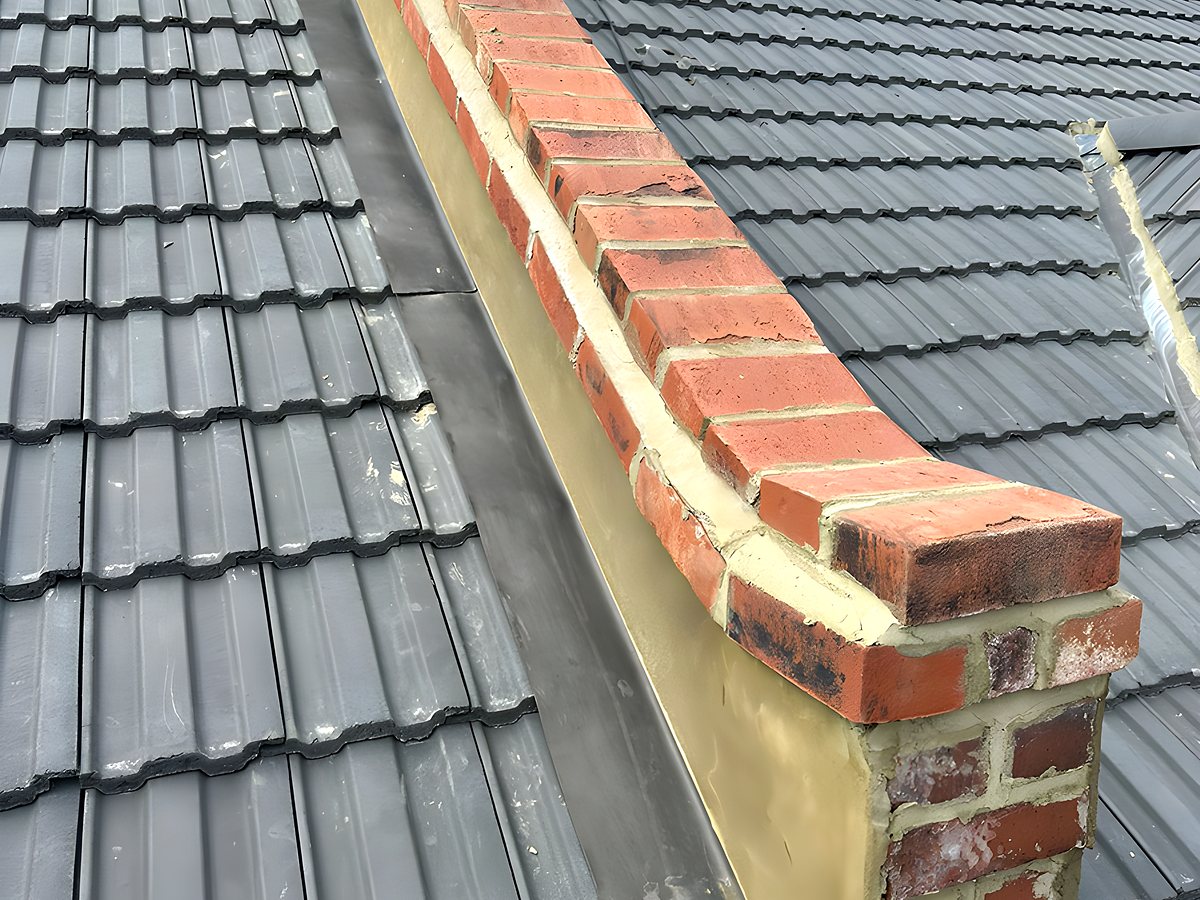
Cracked and Lifted Flashing
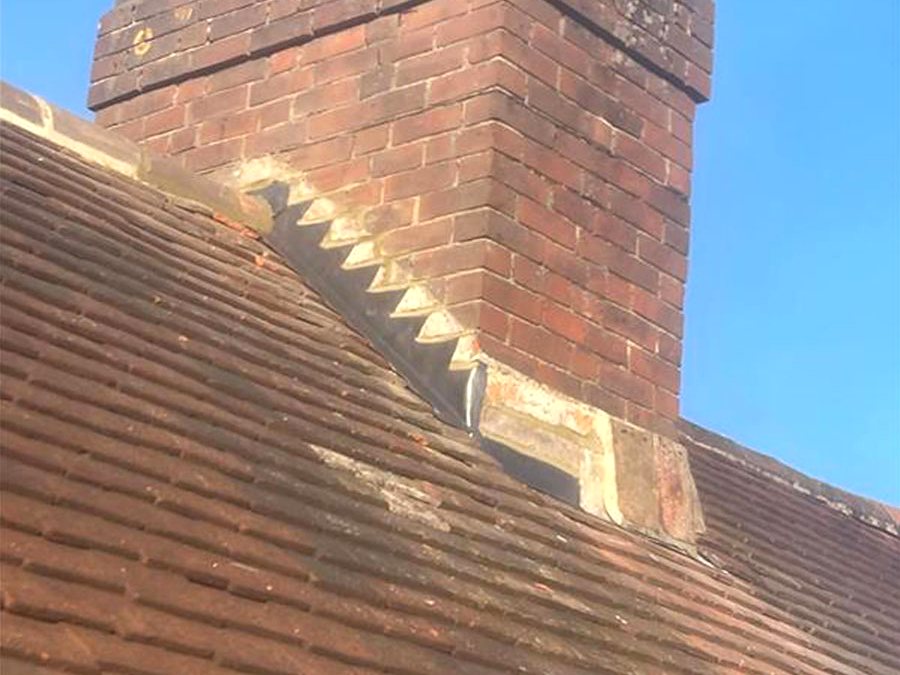
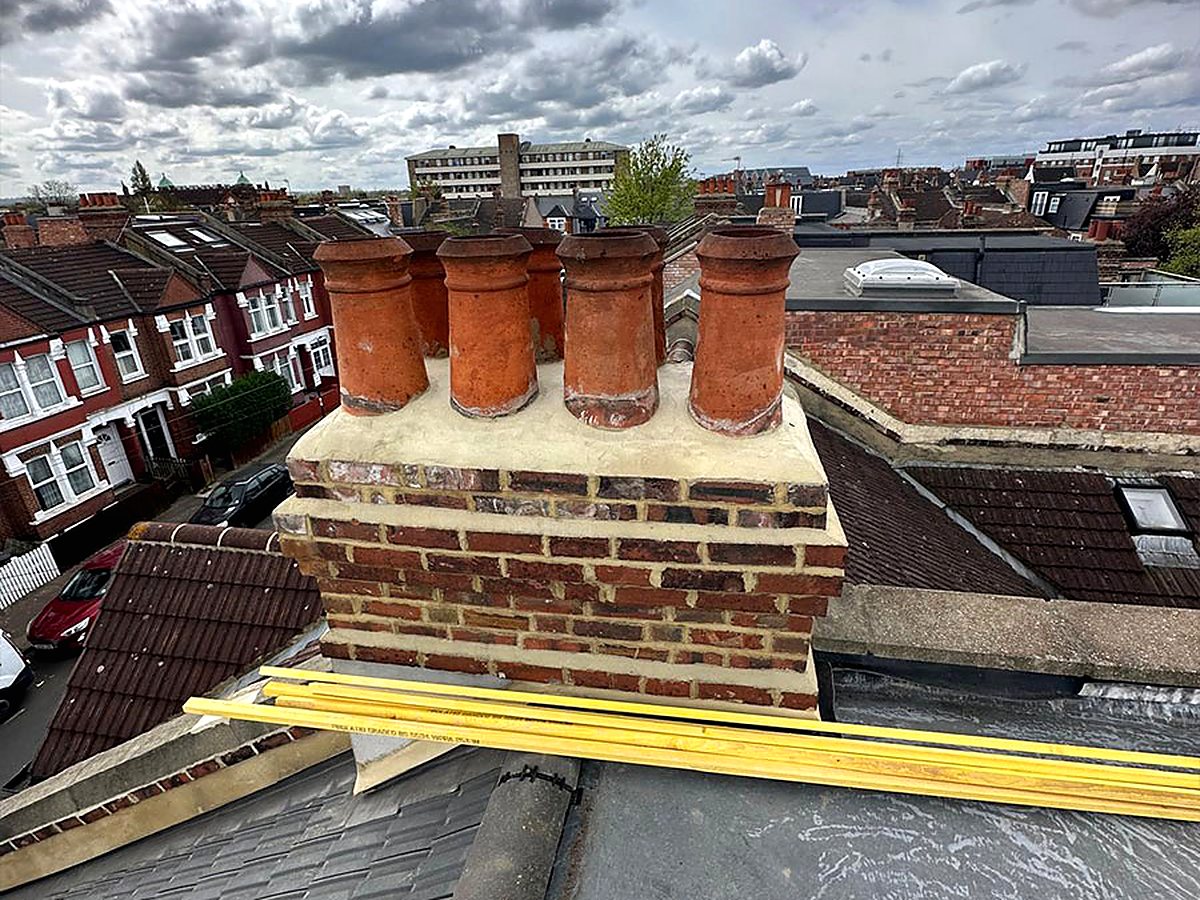
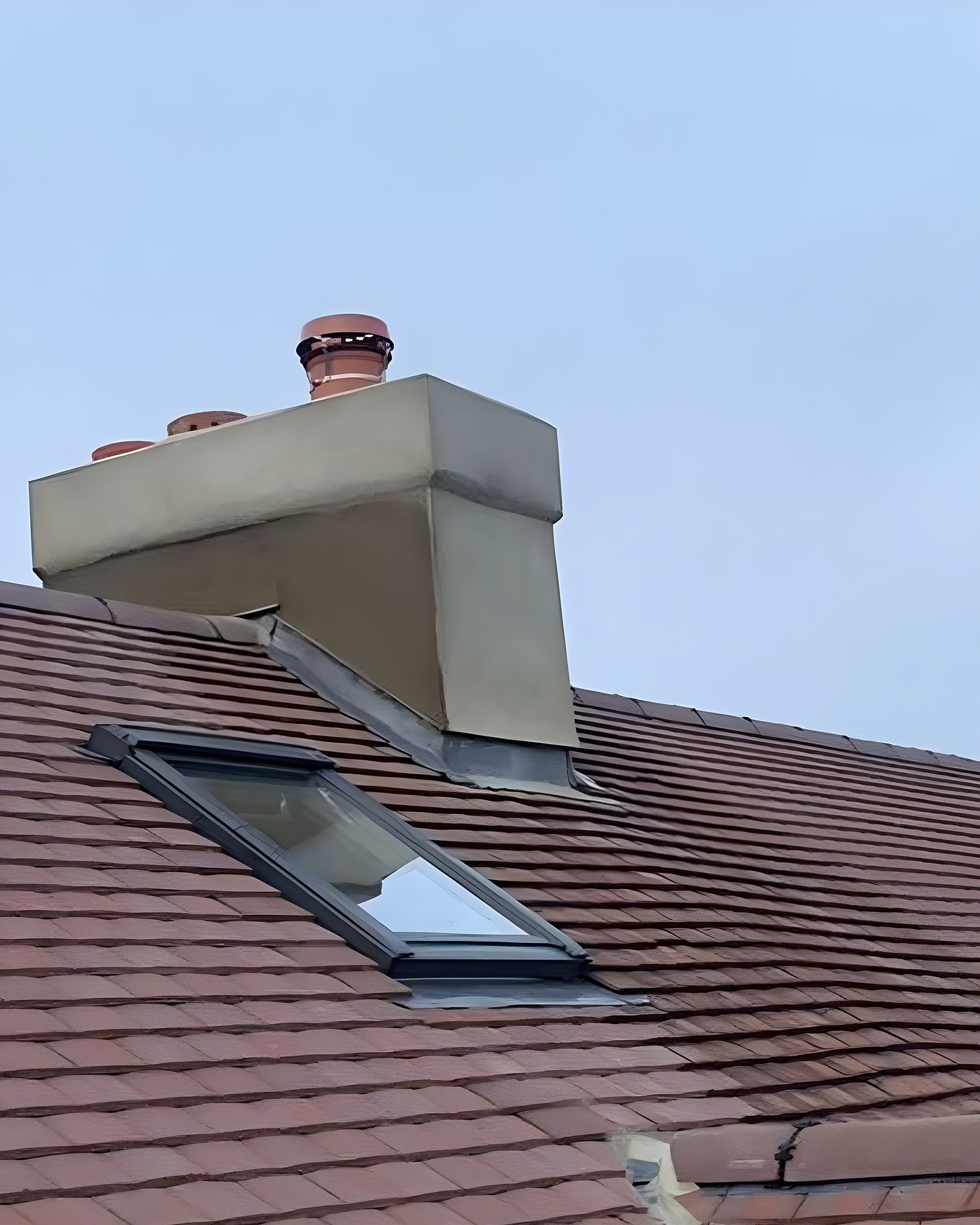
At chimneys, abutments and valleys, the junctions where most leaks start.
Storm Damage Made Safe
Making the roof watertight first, then dealing with the permanent repair once the weather allows.
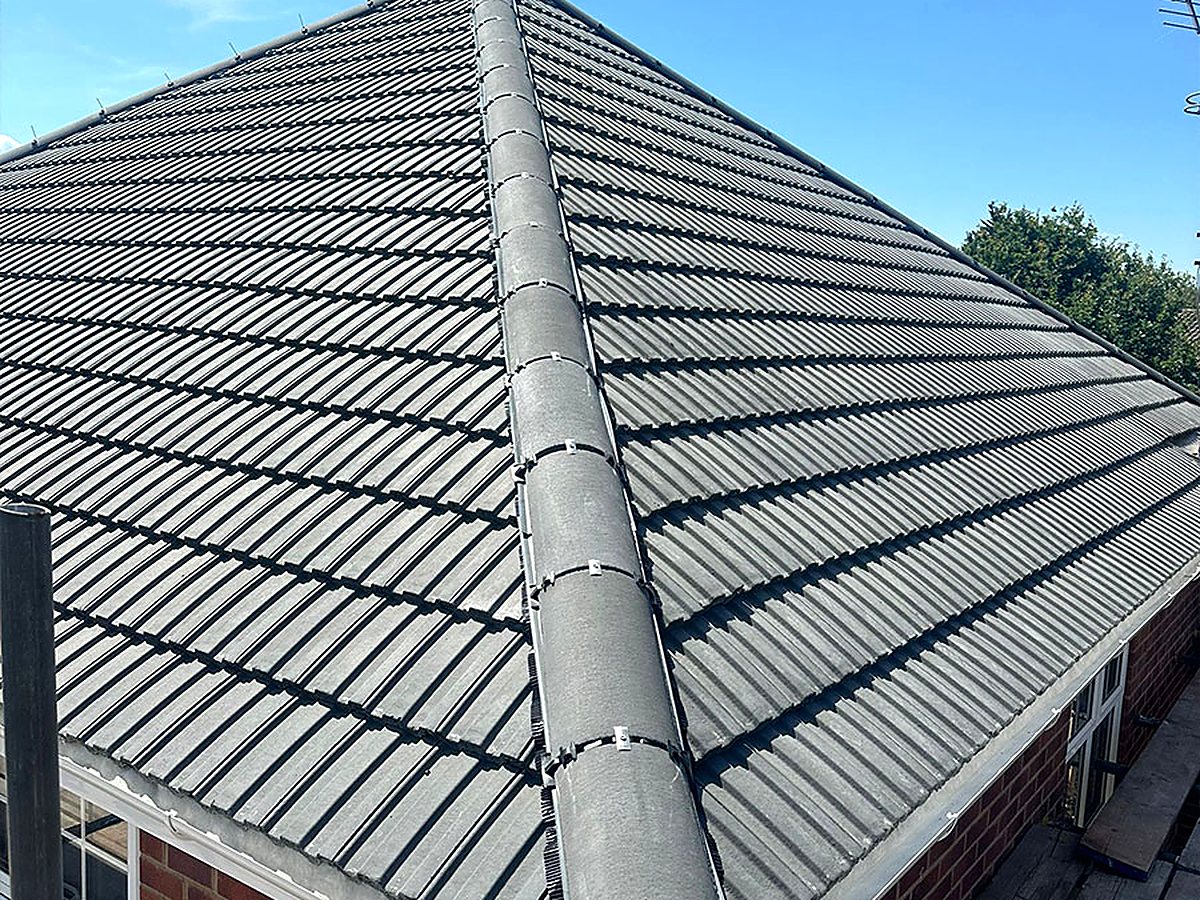
Ridge and Hip Tiles
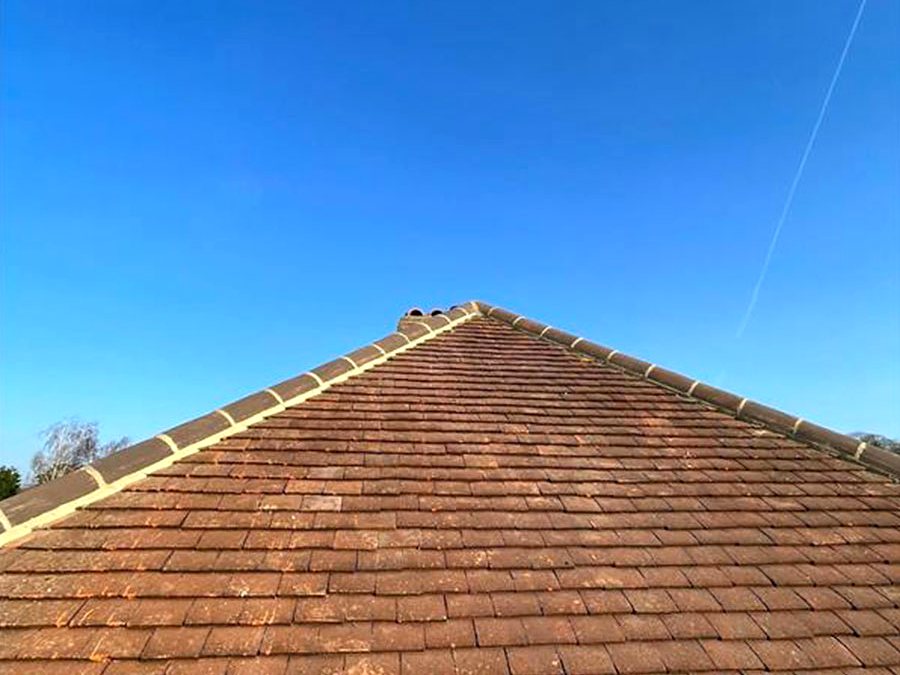
Re-bedded or re-fixed where the mortar has cracked and let go.
Valley Clearing and Repair
Blocked valleys back up and push water under the tiles on both sides at once.
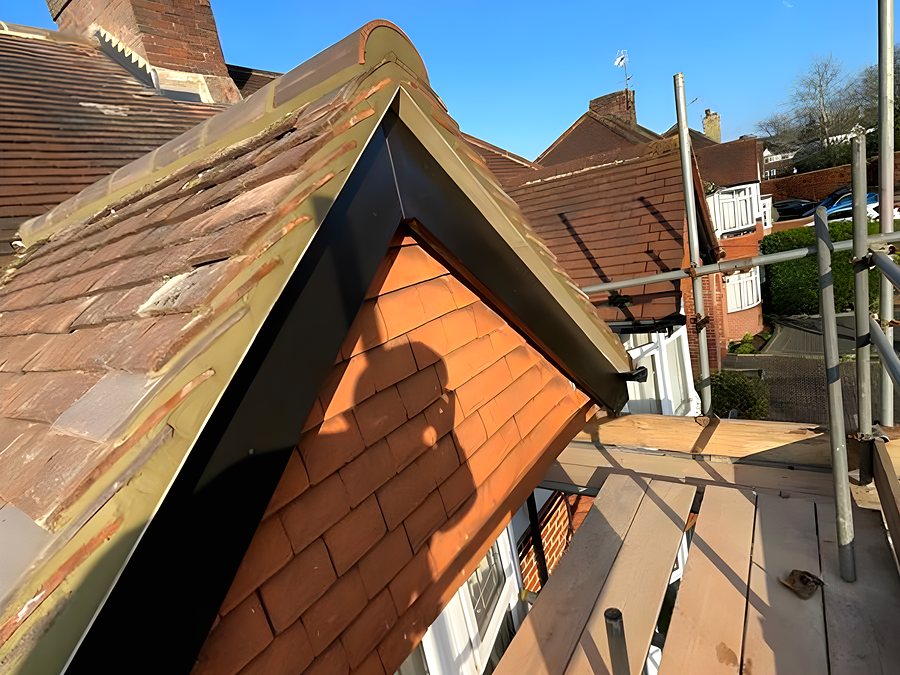
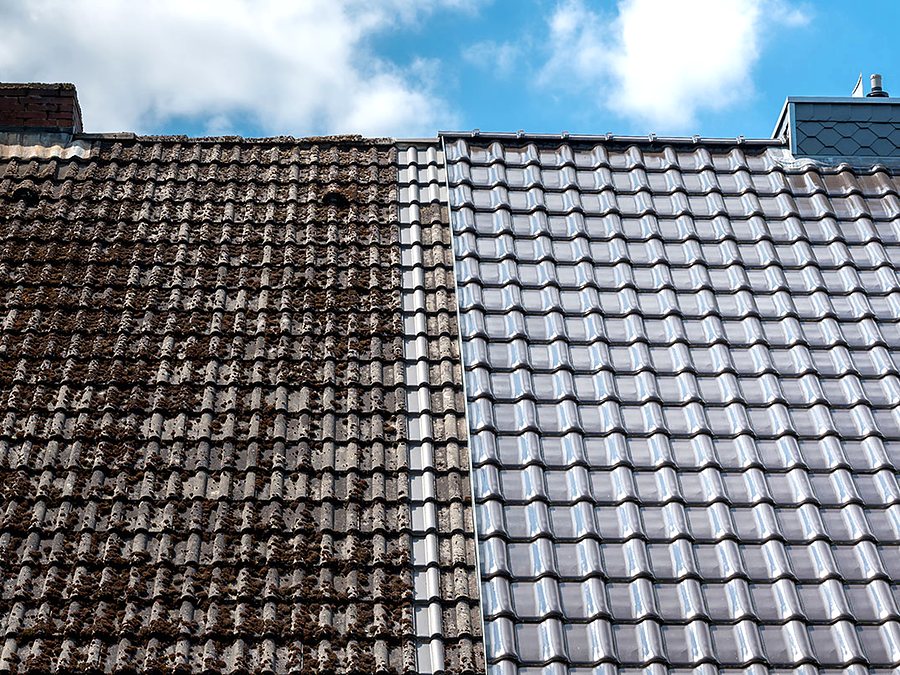
Roof Repairs We Have Done.
The Questions We Get Asked About Roof Repairs.
Most leaks are one fault: a slipped tile, failed flashing, a blocked valley gutter. It is worth glancing at the gutters too, because plenty of what gets called a roof leak is a gutter overflowing down the wall. A roof is due for replacement when the underlay, battens and fixings have gone, not because a few tiles have moved.
Keep everyone out of that room, leave the light switches and fittings in it alone, and get a bucket under the drip if you can do it safely. Please stay off the roof yourself. Ring the mobile on 07377 633898 and tell us what is happening. Where it is safe to do so we will make the roof watertight before anyone talks about the permanent repair.
By working backwards. Water runs down the felt and along the timber before it drops, so the wet patch inside is a starting point rather than an answer. We look at the junctions, the flashings and the valleys first, because that is where most leaks begin.
Buildings insurance generally covers damage from a sudden event such as a storm. It generally does not cover wear and tear, because it is built for sudden events rather than an old roof reaching the end of its life. Worth reading your policy before you assume either way.
Emergency work to make a roof watertight, yes. Some permanent repairs need dry conditions to be done properly, because mortar and some coatings will not cure in the wet, so we may make it safe first and come back. We will tell you which applies.
Yes. The mobile line, 07377 633898, is the 24 hour emergency number. Ring it and tell us what is happening.
Four Steps From Your Call, to the Job Done.
You Call or Send the Form
Tell us your town and what you have noticed. A photo from the ground helps more than you would think.
We Come and Look
At the actual thing, where it is safe to get to it. You hear what has failed and what it takes to put right, in plain words.
You Get a Written Price
For the work we have described, with time to think about it. If there is a word on it you do not recognise, ask and we will explain it.
We Do the Work and Clear Up
Agreed dates before we start, and everything off the drive when we finish.
Roof Repairs Across Fourteen Towns.
South West London, Surrey and West Sussex. There is a local number for each area, plus a mobile. If you are just outside, ask anyway.
Other Things We Get Called Out For.
Tell Us About the Roof Repairs, and We'll Come and Look.
Your name, a number, roughly where you are and what you have noticed. That is all we need.